Every case shows the film — and the honest economics behind it.
All of it is real work: a social film for a national ministry, two brands, a film of our own, and three films hanging in a museum. Every case shows the film, the director's breakdown and what the pipeline actually was. Your film starts the same way — with a previz.
SHOWREEL · 2026 · 1:24
ALL THREE PIPELINES IN ONE REEL
Camera, virtual production and generation — cut together from the films below. Sound on.
SOCIAL · MINISTRY OF CULTURE · 3:50 · 4K
Onamga Xat
Brief
The Cinematography Agency under the Ministry of Culture of Uzbekistan commissioned a social film about children growing up without a mother. The subject resists advertising craft entirely: you cannot sell it, brighten it or resolve it. It can only be made so that a viewer sits through it and does not look away.
Direction
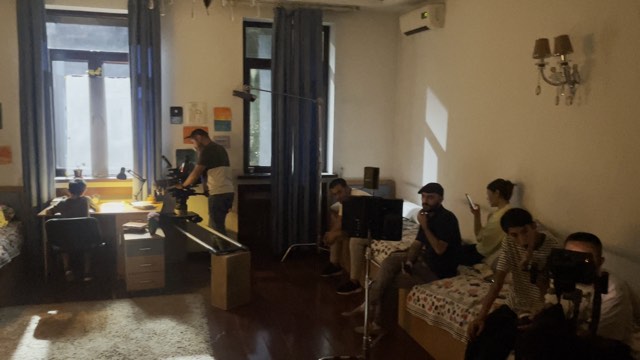
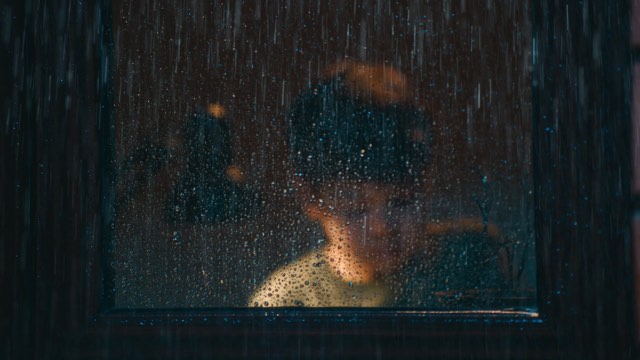
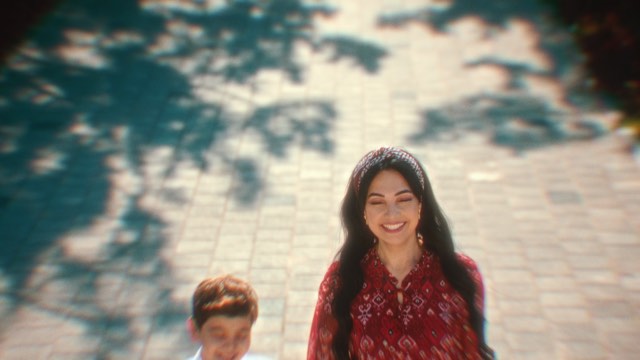
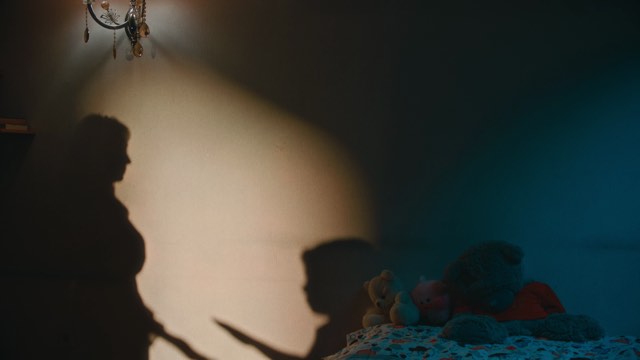
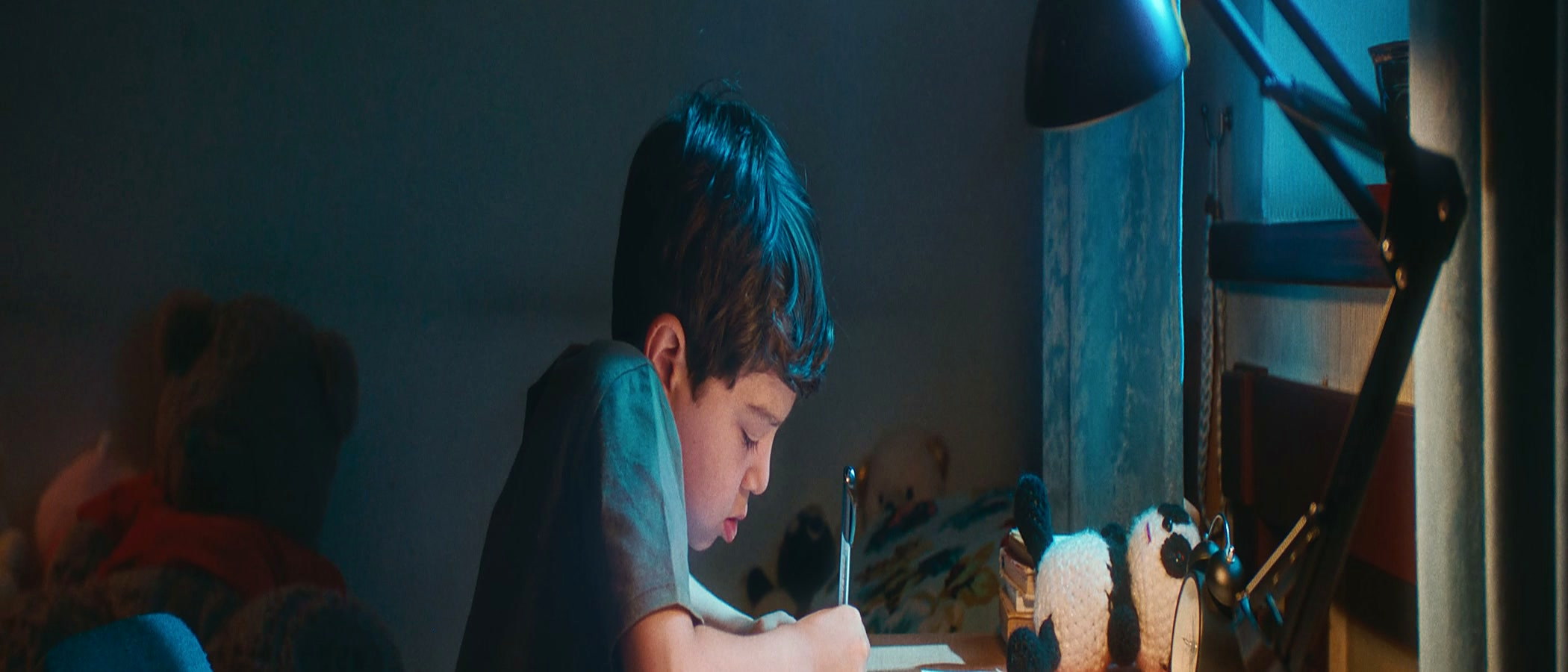
A ten-year-old in a children's home writes a letter to his mother. In his imagination he lives an ordinary life with her — walking home from school, buying juice, sitting by the water. Then he returns, and does not send the letter: there is no address. The whole decision is carried by colour. Reality is cold, blue-teal; the imagined world is warm and golden, the mother in red. The return to cold needs no line of dialogue. The film was shot on a very small budget with a full crew — cinematographer, production designer, costume and makeup, and two actors.
Pipeline
Idea and script · casting of a child lead · location shoot · direction of actors · two colour worlds built in the grade · sound design and score · master 3:50, 2880×1620, 25 fps. Uzbek. Director's version, September 2025.
How it was made
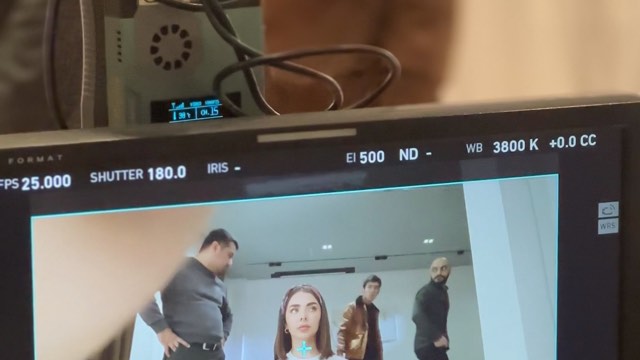
On setReality, coldImagination, warmFinal frame
FMCG · CLIENT · 30 SEC · RU / UZ
Three Drops
Brief
UNIDAILY brings Kopum Plus — Korean laundry capsules — to the Uzbek market. The promise on the pack is three actions in one capsule: cleaning, conditioning, fragrance. The problem is that none of it can be seen. It all happens inside a drum, under water, in thirty seconds nobody asked to watch.
Direction
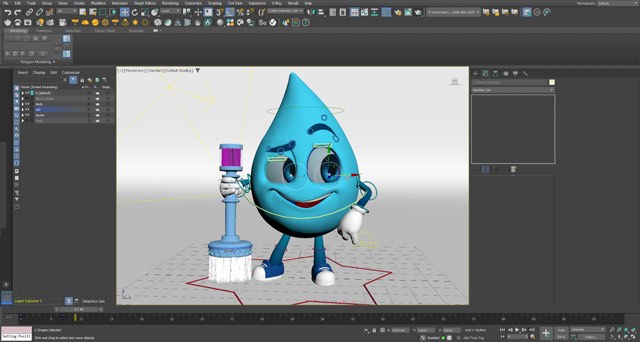
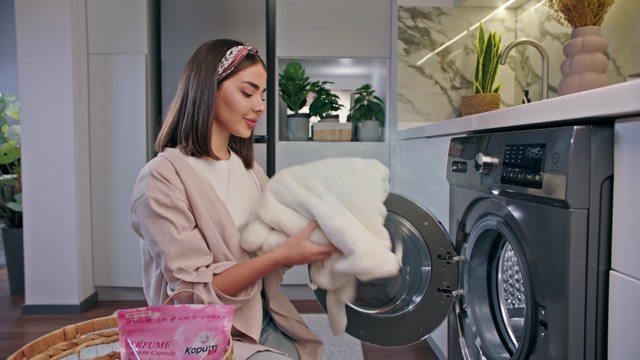
Give each of the three actions a body. Three drop-shaped characters, drawn for the brand from scratch: blue cleans, green conditions, pink carries the scent. The film crosses the surface of the water twice — a real kitchen and a real morning, the capsule falling into the drum, the camera going under into a world of foam and bubbles where the three do the work, and back out to hands lifting clean laundry. Russian and Uzbek were voiced separately rather than subtitled: on this market a dubbed language reads as a borrowed one.
Pipeline
Producer analysis, director's script and treatment · two storyboard passes · casting and location scouting · live-action shoot · character design and 3D animation in 3ds Max by the studio's team under directorial supervision · compositing · RU and UZ voice-over, music and sound design · packshot · 30-second masters and 9-second cutdowns in both languages, 2560×1440.
ROZMETOV is a major Uzbek halal meat brand: its own plant, retail chain and delivery fleet. Over two years it trusted the same director with both ends of the task — an emotional campaign for shoppers and a reputational film about the production itself.
Direction
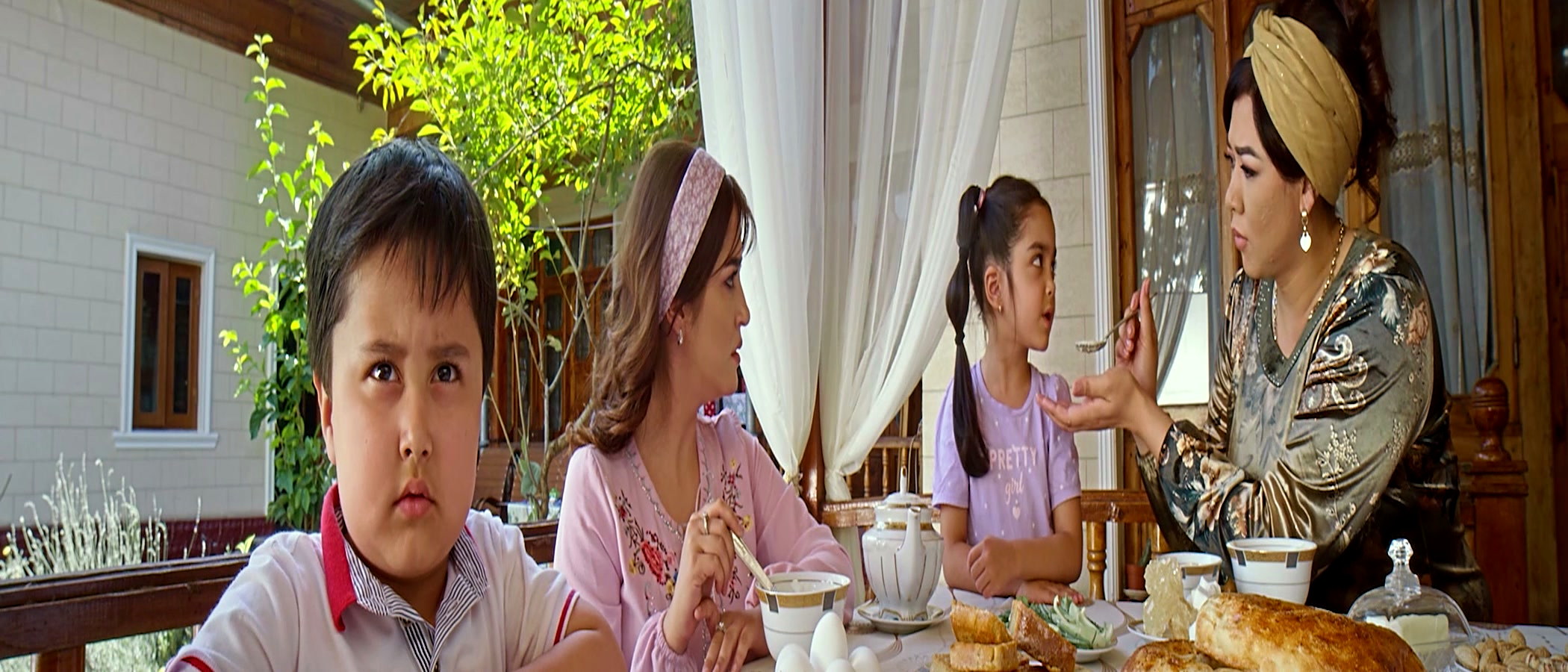
«Oilaviy sir» (2023) is played comedy: an Uzbek courtyard, family at the table, women in national dress, a brand store — a full cast across several locations. The production film (2025) is the opposite discipline: a working meat plant, sanitary zones, halal certification, interviews with the owner and staff. Shooting on a food production floor means clearances, hygiene rules and real people mid-shift — a client of this scale does not let a random crew in.
Pipeline
Campaign: casting, locations, wardrobe, staged comedy, packshots · 7:58 master. Production film: on-site shoot at the plant, interviews, retail and fleet coverage · 10:00 master, 2025. Directed by Fuadbey Kopadze; produced at Ijodiston — the production company he co-founded. Shown here as the director's work.
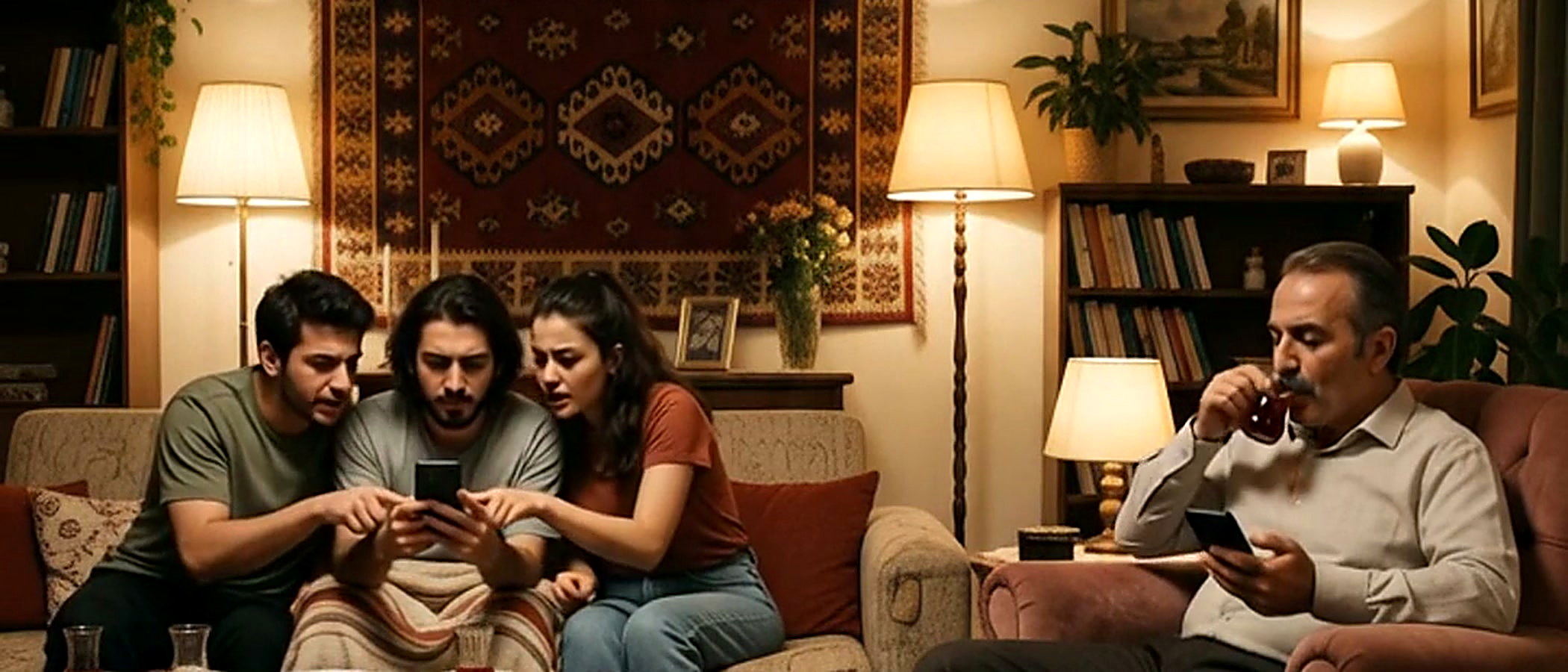
Ahıska Lingo is a language game for Ahiska Turkish — a language a whole people carried through deportation and now speaks in six countries at once. It is the studio's own product, so there was no client to please and nowhere to hide: an app about a disappearing language has to be advertised without a single word of pity.
Direction
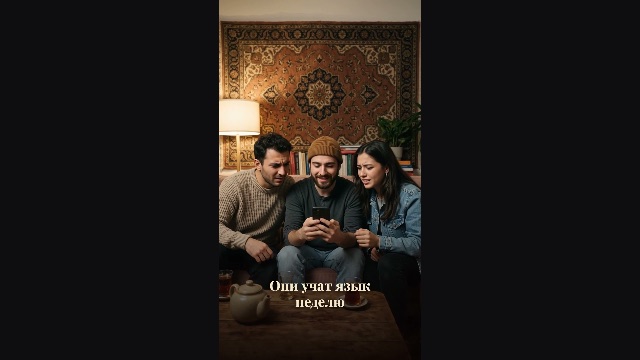
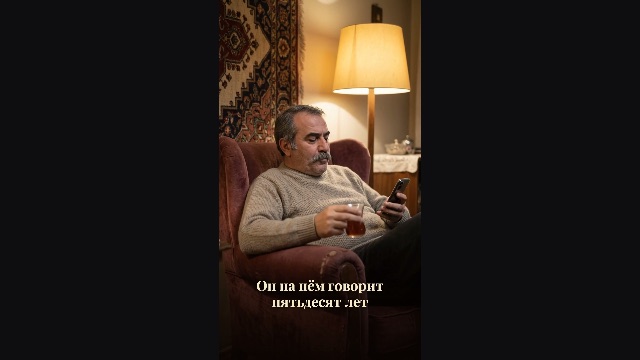
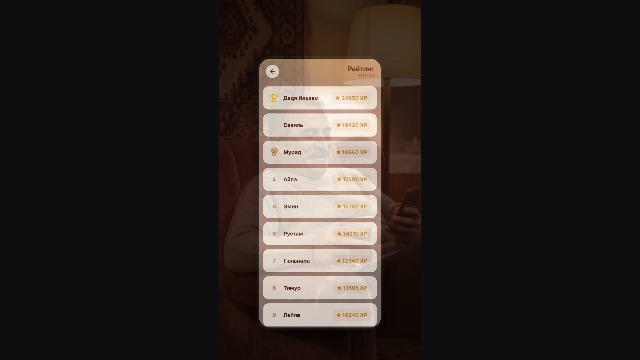
Make it a joke instead. Young people crowd around one phone, straining at a word — «they have been learning the language for a week». Cut to the uncle in his armchair with tea and his own phone — «he has been speaking it for fifty years». Then the leaderboard: first place, Uncle Ilham, 24,850 XP. The product screen is the punchline, not a screenshot dropped into the edit. The whole thing runs 21 seconds, vertical, in the app's own carpet-and-lamplight palette.
Pipeline
Script and joke structure · generation of every shot in Google Flow / Veo, ~8 seconds per clip · a hard rule in every prompt: the generator never draws text — the model garbles Cyrillic and Turkish ı, ş, ğ, so composition leaves room and the titles are set by hand · edit, sound, packshot · master 21 sec, 1080×1920.
A week of learningFifty years of speakingThe punchlinePackshot
HISTORY · STUDIO FILM · 2:25 · 4K
Dağlar Ağladı
Brief
In November 1944 the Ahiska Turks were deported from Georgia to Central Asia — decreed on 31 July, carried out in three days. Almost none of it was filmed. The event survives as testimony and family memory, not as footage. The director's own grandmother lived through it. The brief was set by that absence: make a film out of what no camera recorded.
Direction
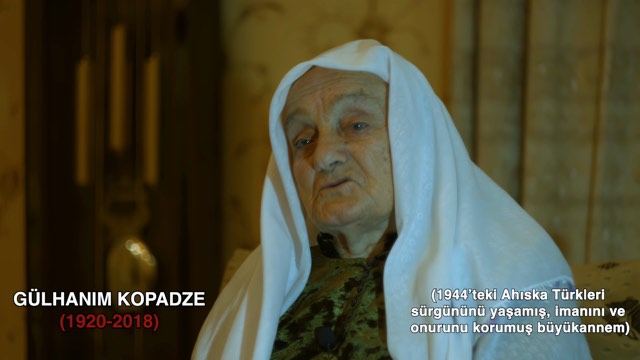
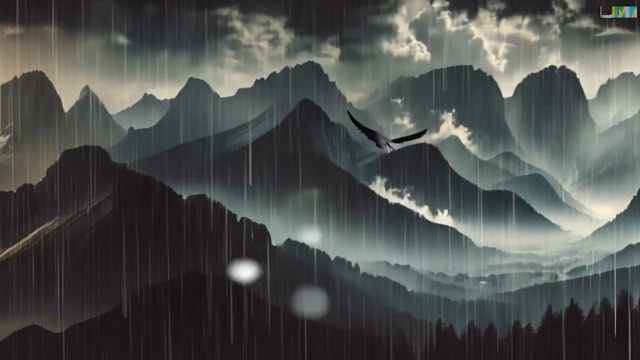
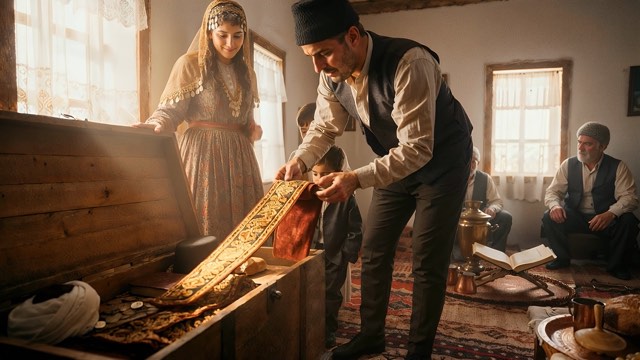
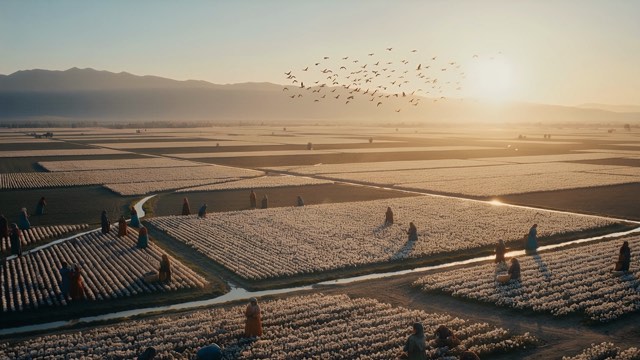
Real archive opens and closes the film. It begins with Gülhanim Kopadze (1920–2018), filmed in 2017, a year before she died; it ends on two family photographs and a dedication. Everything between them is reconstruction — the village before dawn, the family around the samovar, soldiers at the door at night, the cattle wagons, the snow, the cotton fields of Kokand. The closing card states plainly that this is a creative interpretation rather than a document, and that AI was used to rebuild the atmosphere of the period. On a subject this heavy that card is not a disclaimer — it is part of the direction.
Pipeline
Around 400 generated stills · retouch and compositing in Photoshop, 19 layered files · about 150 image-to-video shots · generative upscale · score, Turkish narration and sound design · edit in Premiere Pro · master 2:25, 3840×2160, 25 fps. A first version was made for the 80th anniversary in November 2024 and rebuilt entirely in 4K for the 81st.
Real archiveFirst version, 2024GeneratedFinal frame
MUSEUM · CLIENT · 3 FILMS · 4K
The Jadids
Brief
The Uzbekistan Newsreel Studio commissioned three films for the Jadid section of the Museum of Islamic Civilization in Tashkent. The Jadids were reformers who built a press, a school and a language — and almost none of it was photographed. A museum needs that world on screen at a standard that survives a gallery wall, running all day, in Uzbek and in Turkish.
Direction
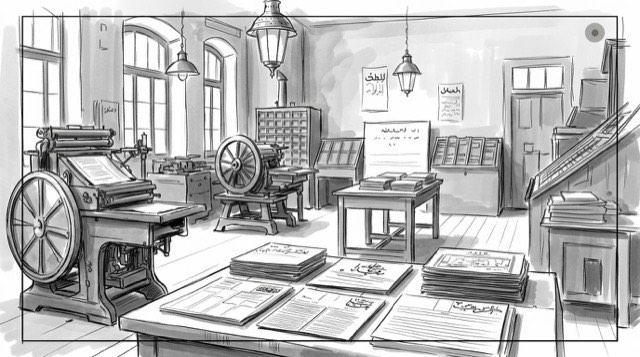
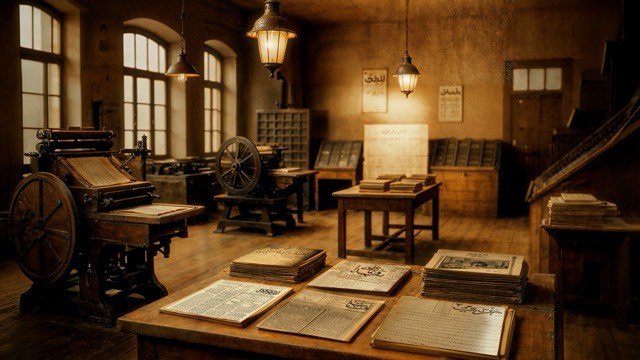
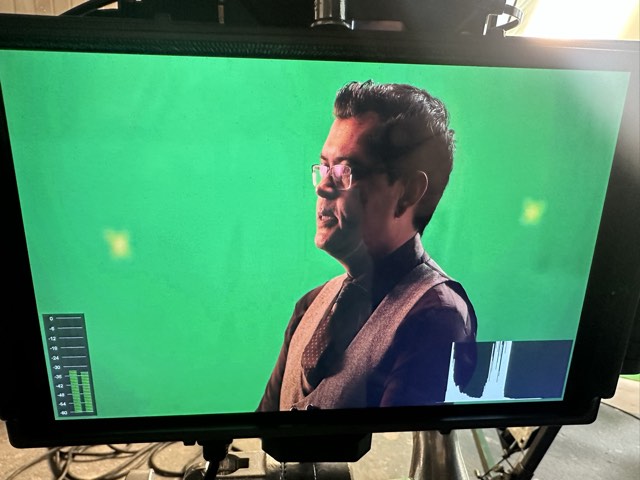
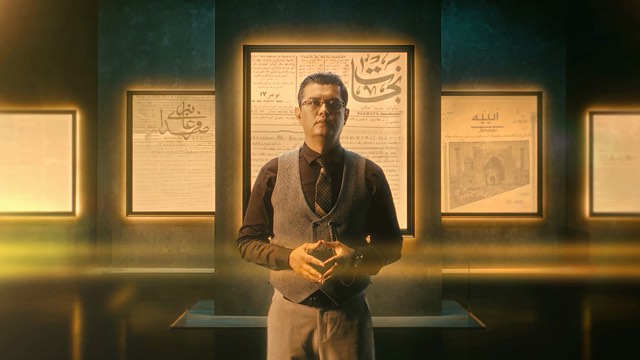
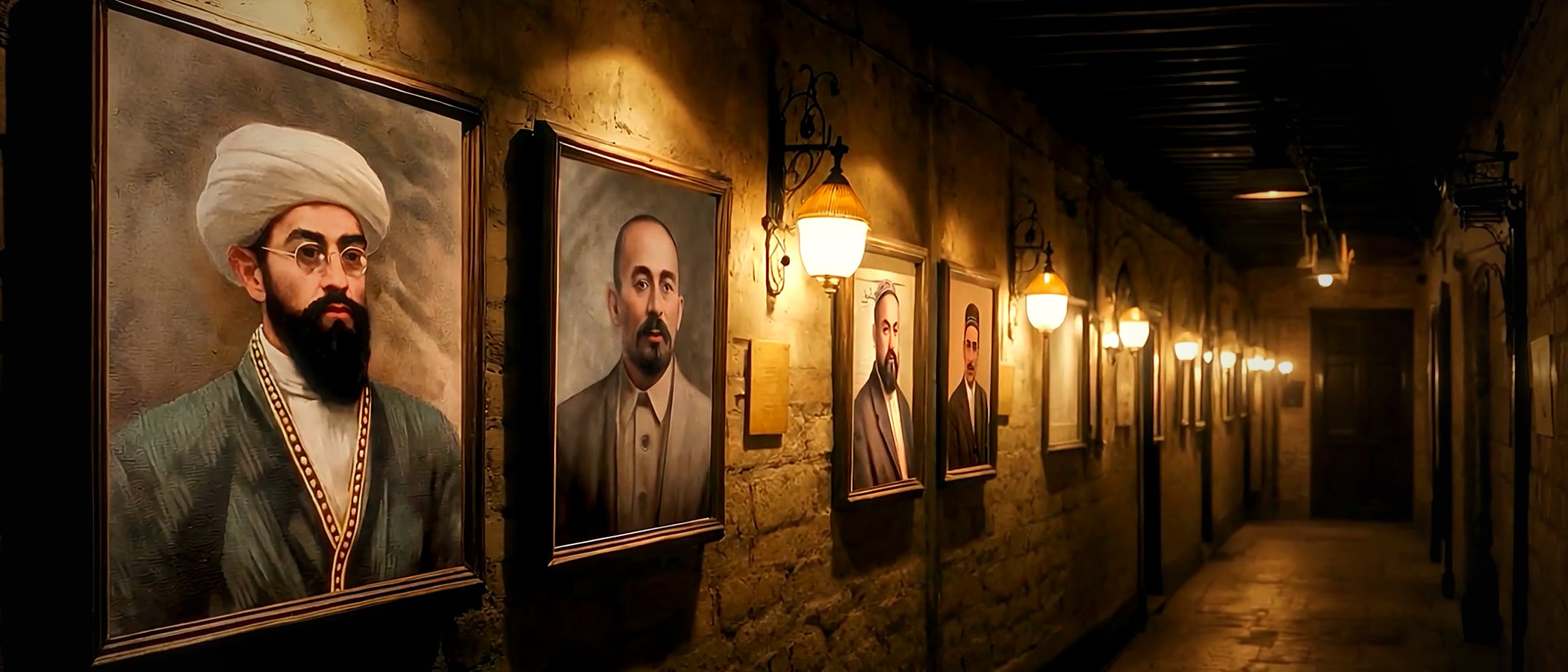
Anchor the viewer in a living person, build the lost century around him. The presenter was shot in a pavilion on three cameras against green screen with live sound; the period was drawn first — 78 storyboard sketches across the three films — and only then generated: the printing house, the madrasa, the corridor of portraits. Nothing was prompted blind. The films also ship without the presenter, for the gallery loop that plays with no sound.
Pipeline
Drawn storyboards · generation from the boards · pavilion shoot, three cameras, green screen, live sound · keying, compositing and pseudo-3D scenes · grade and artifact cleanup · sound design with separate music, effects and voice stems · Uzbek and Turkish narration · masters 4096×2304 and 3840×2160 at 50 and 25 fps, plus a 1080p broadcast version, a vertical cut, presenter-free gallery versions and three teasers.
Segments where we have no client yet — and how we see them.
OWN FILM · MEDICAL ISTANBUL · 0:22
The city that repairs
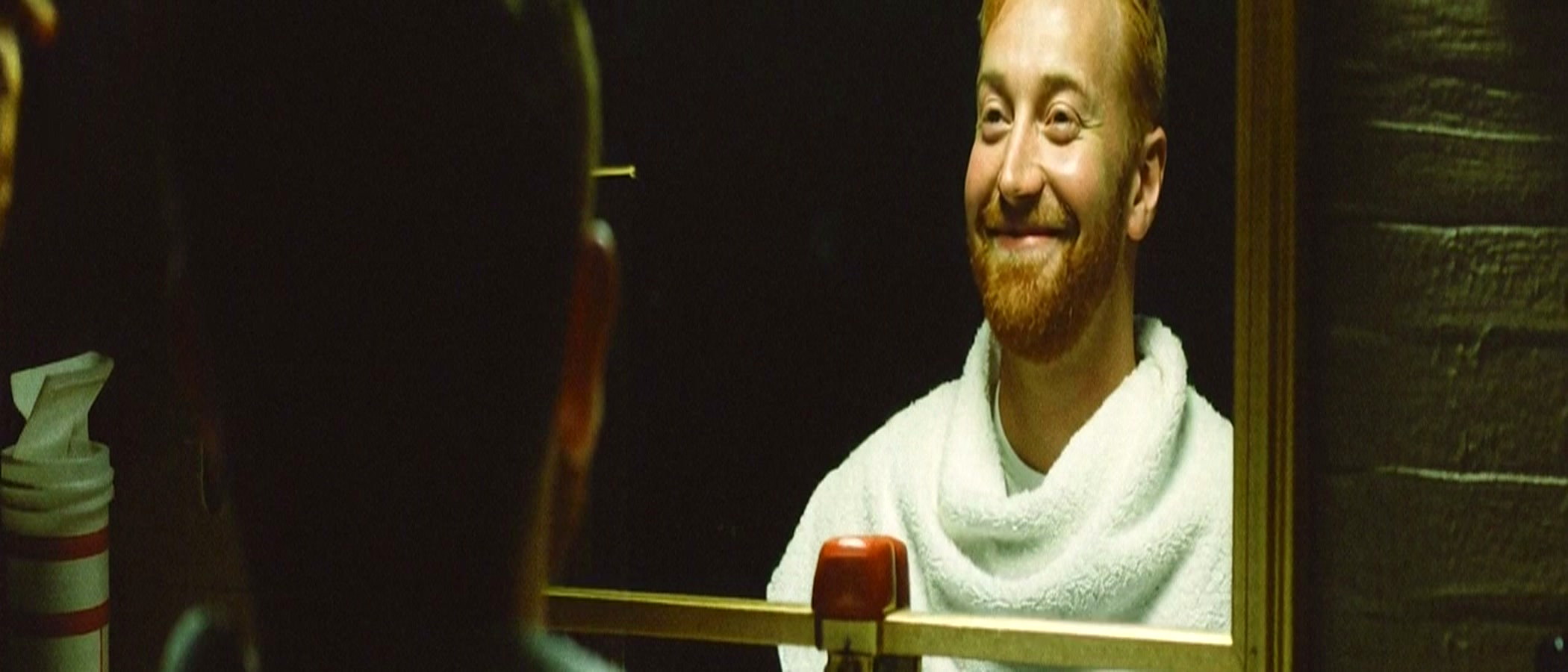
Five trades put broken things back together — a shoe, a ring, a face under a century of grime, a carpet, a shave. Then a man looks in the mirror and smiles: this city knows how to repair things, and people.
OWN FILM · LUXURY · 0:23
Scent as a landscape
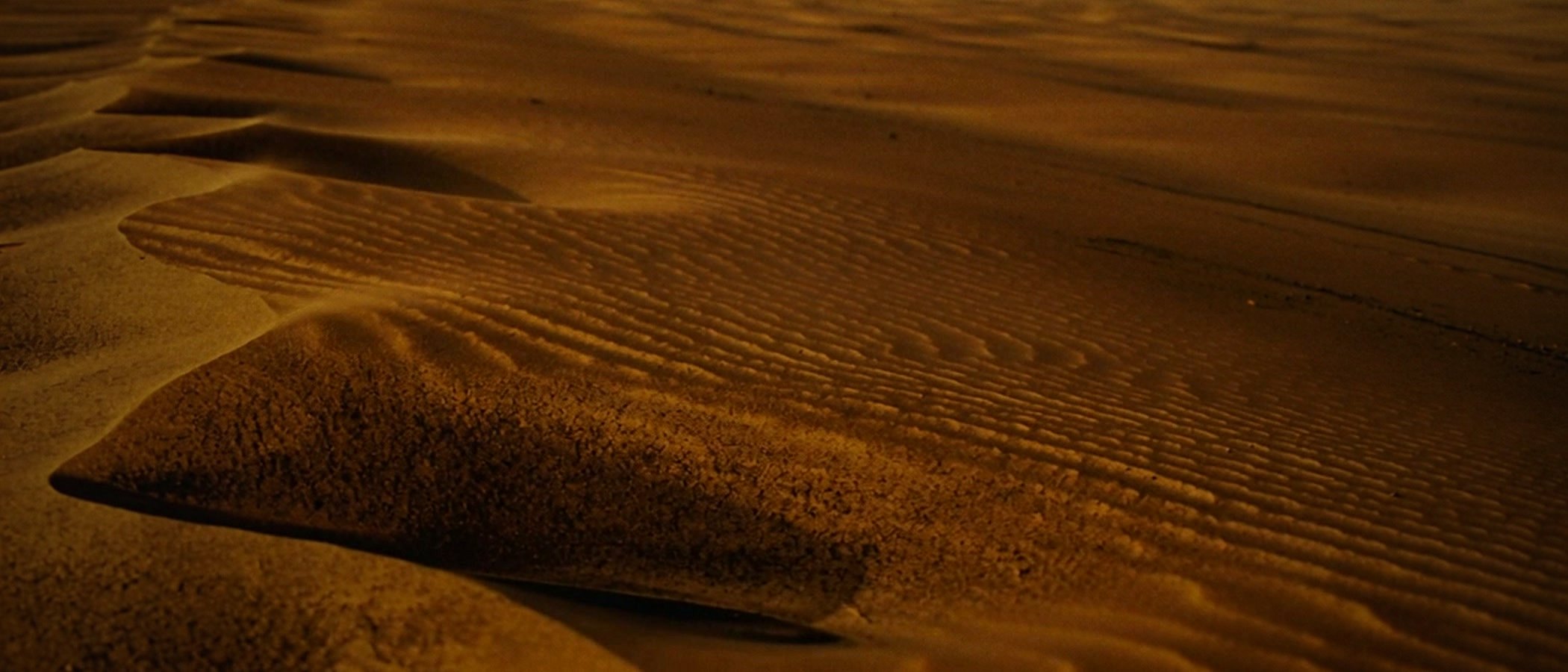
For twenty seconds you are sure you are looking at terrain: amber dunes, weather over a dark plain, a canyon of smoke. The last shot admits what it was — one bottle, deliberately unlabelled.
OWN FILM · INTERIOR · 0:23
One room, four lives
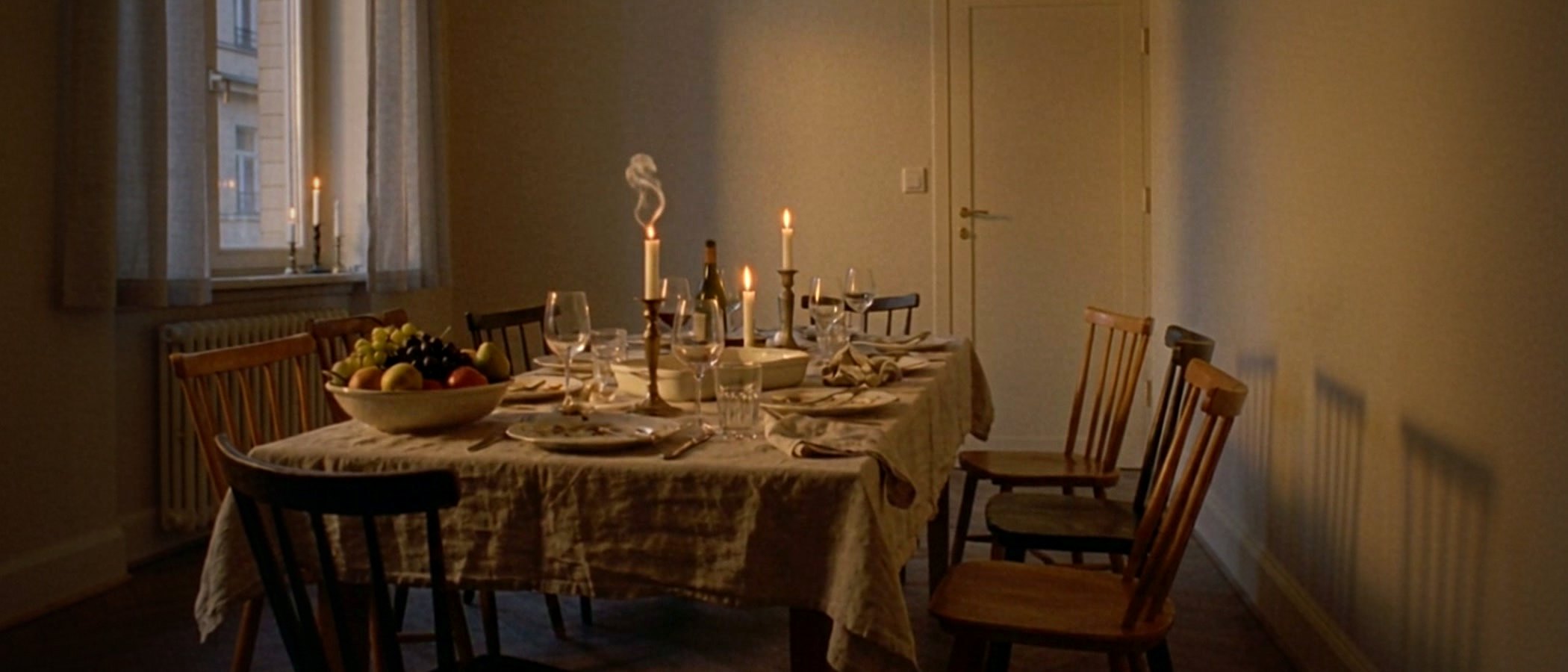
One window, one camera position that never moves. A blanket fort, a desk, a table laid for guests, a lamp at night. The square metres are identical in every shot; the life inside them is not.
OWN FILM · TEXTILE · 0:23
Everything you wear was a field
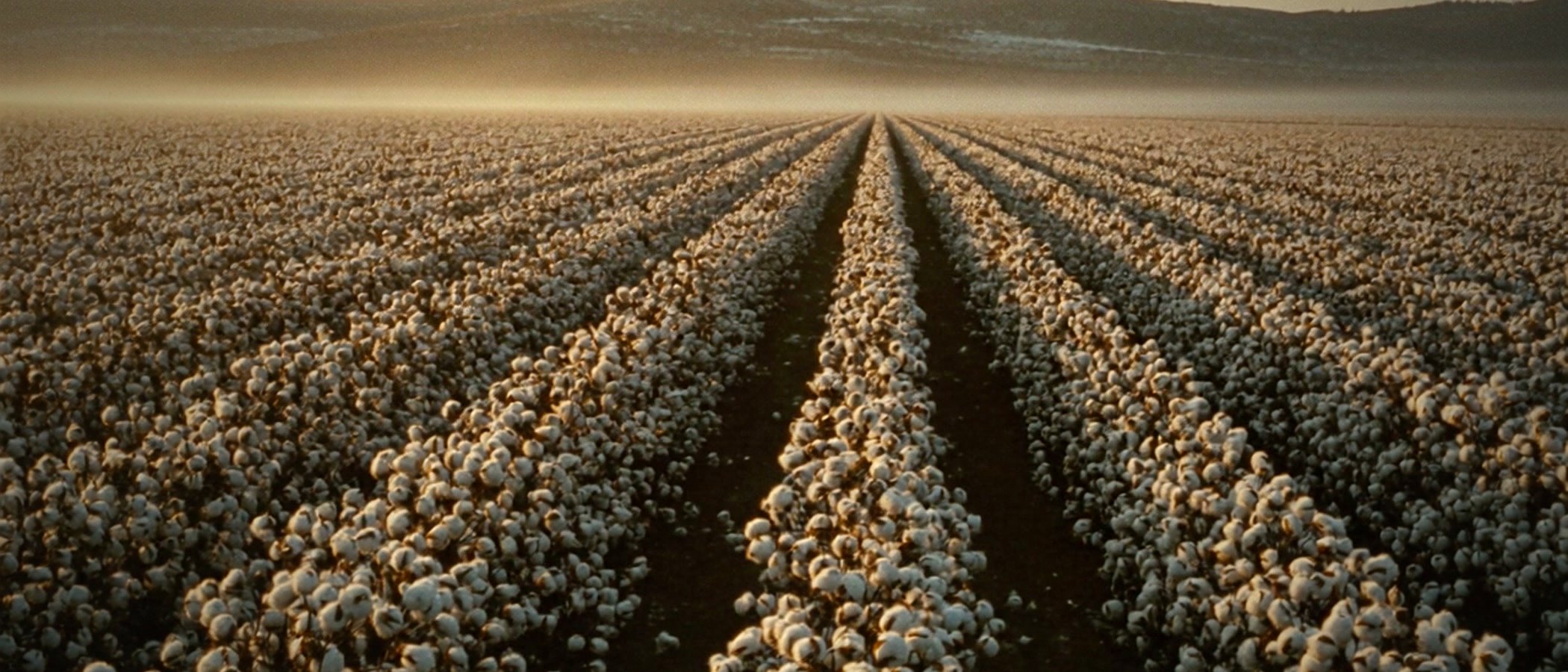
Time runs backwards. A pressed shirt unravels into thread, thread into raw cotton, cotton into a field at dawn. Four seconds of finished product, nineteen of where it came from.
OWN FILM · BANKING · TELECOM · 0:23
All of it, for one second
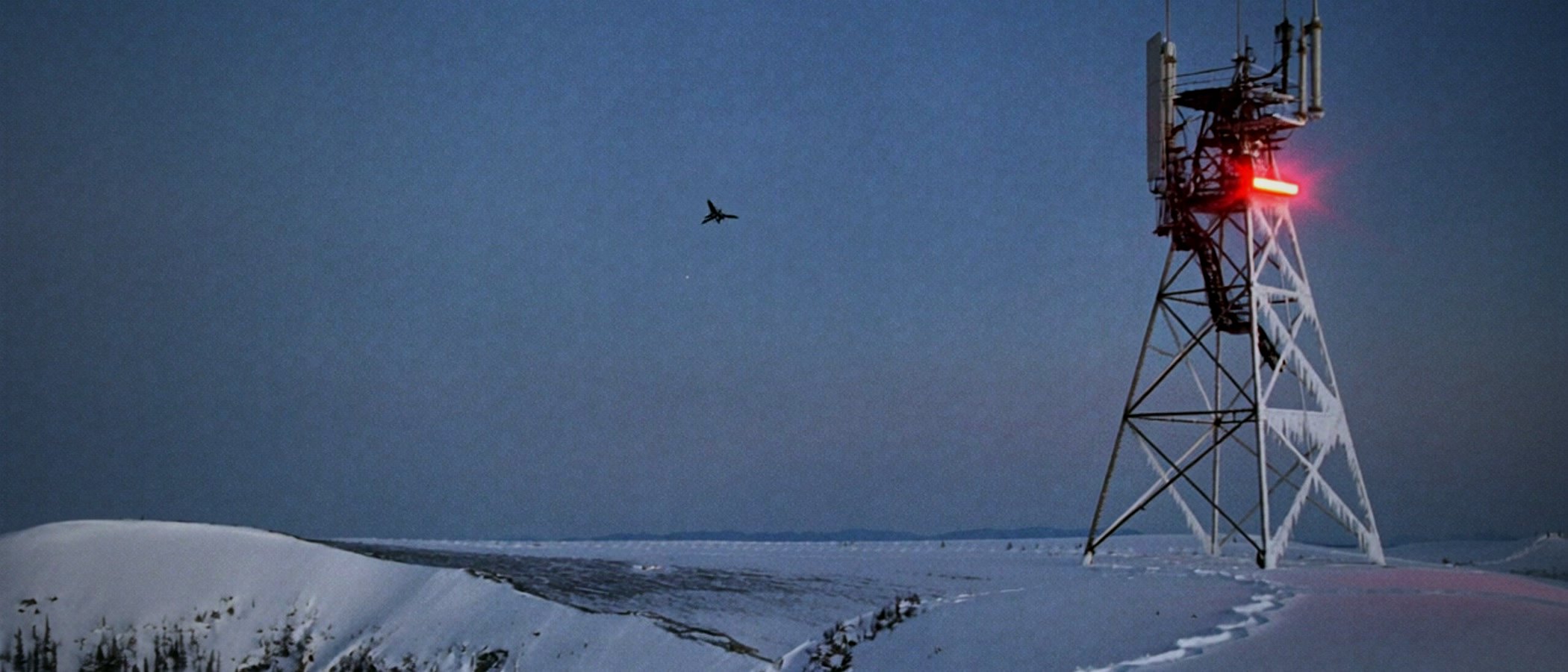
A cable on the ocean floor, a server hall breathing in the dark, a frozen relay tower on a ridge. Then a woman taps a card and takes her bread. Everything before it took one second.
OWN FILM · AUTOMOTIVE · 0:23
The passenger
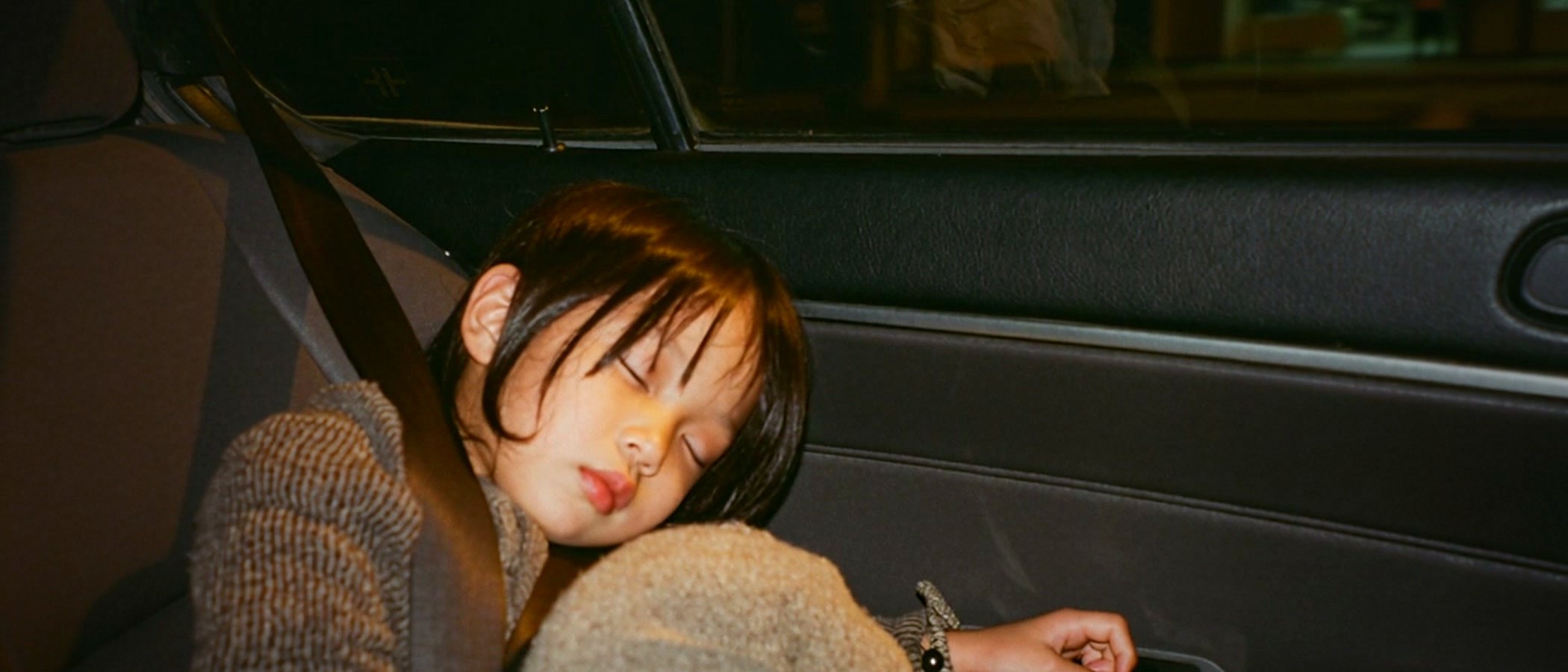
The car is never shown from outside. Six interiors: hands on the wheel at night, a sleeping child, rain on glass, a dog in the wind, a cake box held steady. It is not what you drive, it is who you carry.
These are concept frames, not finished films — we say so plainly. If one of them looks like your brief, it starts the same way ours do: with a previz.
Your industry is next.
Start with a previz: see your film in 72 hours, before you pay for production.
 SOCIAL · MINISTRY OF CULTURE · 3:50 · 4K